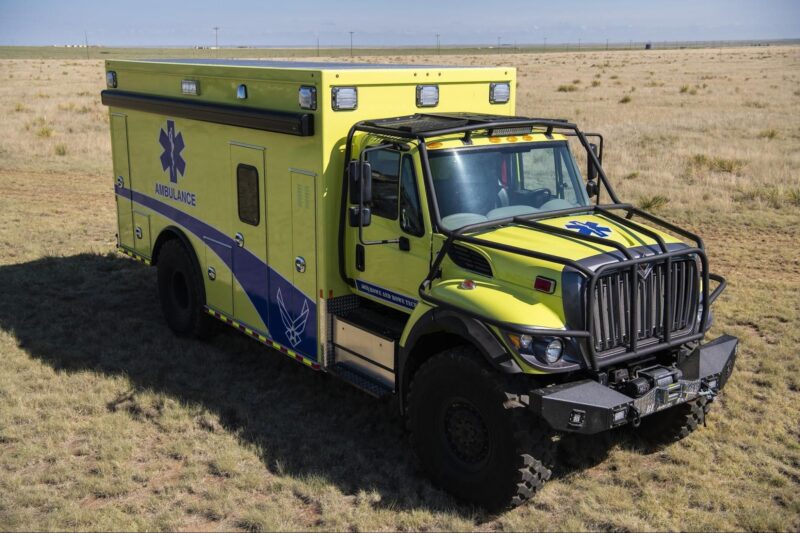
Marketing has evolved far beyond static advertisements and digital impressions. Brands are now focused on creating memorable, real-world interactions that connect with audiences on a deeper level.
Experiential marketing has emerged as a powerful approach, allowing companies to engage consumers through immersive, hands-on experiences.
At the center of this shift is a surprising yet effective tool—custom-built vehicles and trailers designed specifically for brand activation.
These mobile environments bring marketing directly to the audience, whether at events, urban centers, or remote locations.
Behind their impact lies a combination of creative design and industrial fabrication, transforming vehicles into dynamic platforms for storytelling and engagement.
The Rise of Experiential Marketing on Wheels
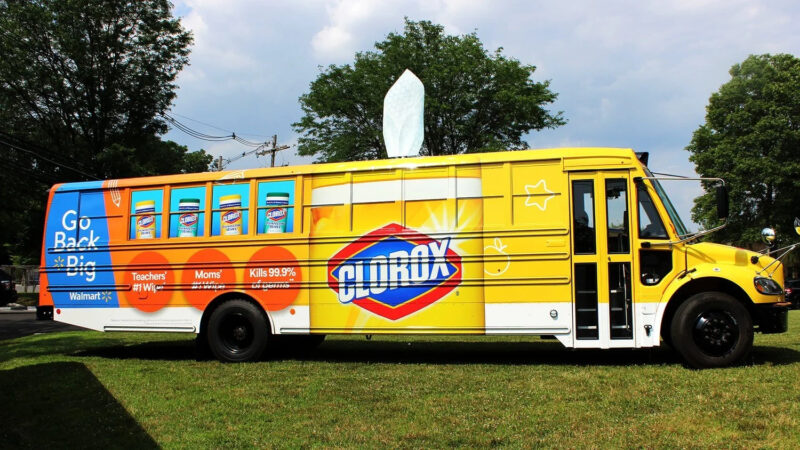
Traditional marketing channels still play an important role, but they often lack the immediacy and emotional connection that experiential campaigns can provide. Mobile marketing vehicles address this gap by creating opportunities for direct interaction.
Consumers can see, touch, and experience a brand in a way that digital or print campaigns cannot replicate.
This approach is particularly effective in crowded markets, where standing out requires more than just visibility. By bringing the experience directly to the audience, brands can create memorable moments that leave a lasting impression.
Engineering Mobile Experiences Through Fabrication
Designing for Engagement
Creating an effective experiential marketing vehicle requires careful planning and design.
The layout must support interaction, guiding visitors through the experience in a way that feels natural and engaging. This often involves incorporating interactive displays, product showcases, and multimedia elements.
Designers must also consider how the space will be used in different environments.
Flexibility is key, as the vehicle may be deployed in a variety of locations with different spatial constraints. This requires a balance between creativity and practicality.
Fabrication and Structural Precision
Once the design is finalized, fabrication brings the concept to life. This process involves transforming raw materials into a functional structure that can support both the creative elements and the demands of mobility.
Precision is essential, as even small inaccuracies can affect performance and durability.
Fabricators use advanced techniques such as CNC machining and modular construction to ensure consistency and quality.
The result is a vehicle that not only looks impressive but also performs reliably in real-world conditions.
Experiential Marketing Vehicles and Trailers in Action
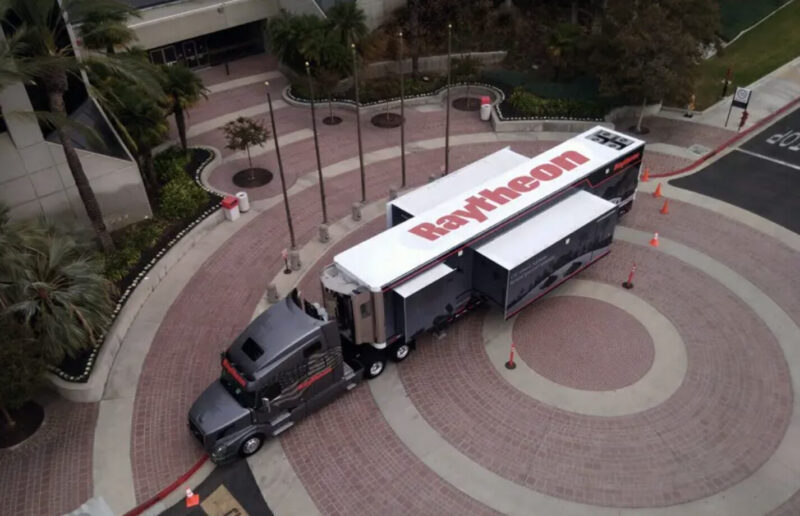
Brands looking to create impactful campaigns often turn to specialized solutions like experiential marketing vehicles and trailers.
These units are designed to support a wide range of activations, from product launches to immersive brand storytelling experiences.
By combining mobility with customization, they allow companies to reach audiences in new and meaningful ways.
Each vehicle is tailored to reflect the brand’s identity and campaign objectives. This level of customization ensures that the experience feels authentic and engaging, helping to build stronger connections with consumers.
The Role of Engineering Expertise
Developing these mobile experiences requires a high level of engineering expertise. The integration of technology, structural design, and user interaction must be carefully managed to ensure a seamless experience.
This often involves collaboration between engineers, designers, and marketing professionals.
Fields such as aerospace engineering highlight the level of precision and problem-solving required in complex projects.
A closer look at the challenges of aerospace engineering underscores the importance of technical expertise in creating reliable and high-performance systems.
While the applications differ, the underlying principles are highly relevant to experiential vehicle design.
Creating Comfortable and Functional Environments
Beyond aesthetics and functionality, the user experience inside these vehicles is critical. Visitors should feel comfortable and engaged, which requires careful attention to factors such as lighting, temperature, and layout.
A well-designed environment encourages interaction and enhances the overall experience.
Manufacturing trends are increasingly focused on creating worker-friendly and user-friendly environments.
Insights from modern approaches to workplace design in manufacturing highlight the importance of comfort and usability.
These principles are equally applicable to experiential marketing vehicles, where the goal is to create a welcoming and engaging space.
Challenges in Mobile Marketing Fabrication
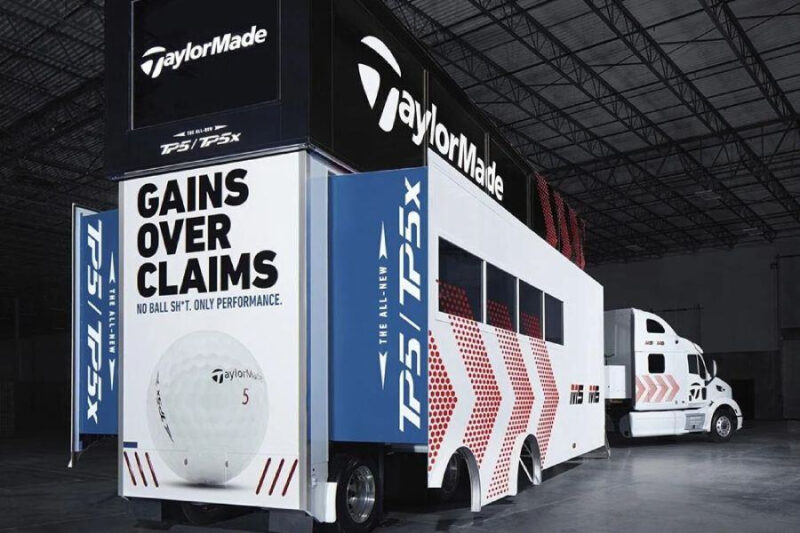
Despite their benefits, experiential marketing vehicles present unique challenges.
Fabrication must account for both structural integrity and aesthetic appeal, ensuring that the vehicle can withstand frequent transportation while maintaining its visual impact.
This requires careful material selection and precise construction techniques.
Logistics also play a significant role. Transporting and setting up these vehicles requires coordination and planning, particularly for large-scale campaigns.
Ensuring that the vehicle operates smoothly in different locations is essential to the success of the campaign.
Future Trends in Experiential Marketing Vehicles
The future of experiential marketing is likely to be shaped by advancements in technology and design.
Augmented reality, interactive displays, and data-driven personalization are expected to play a larger role in creating immersive experiences.
These technologies can enhance engagement and provide valuable insights into consumer behavior.
Sustainability is another important trend. As environmental concerns continue to grow, manufacturers are exploring ways to reduce the impact of mobile marketing vehicles.
This includes using eco-friendly materials and energy-efficient systems, as well as designing vehicles that can be reused across multiple campaigns.
Conclusion
Experiential marketing vehicles represent a powerful convergence of creativity and engineering.
By bringing brand experiences directly to audiences, they offer a unique way to engage consumers and create lasting impressions.
Their effectiveness lies not only in their visual appeal but also in the precision and expertise that go into their design and fabrication.
As marketing continues to evolve, these mobile platforms will play an increasingly important role in how brands connect with their audiences.
Through innovation and thoughtful design, they are redefining what it means to experience a brand in the modern world.